Safous Windows Agent Installation
Requirements
To download and use the agent, users must:
- Have already enrolled in MFA and be able to log in successfully.
- Be authorized by the applicable policies to access a network application.
Please also note the OS requirements for downloading and installing the agent:
- Windows: version 7 SP1 or newer
Agent Installation
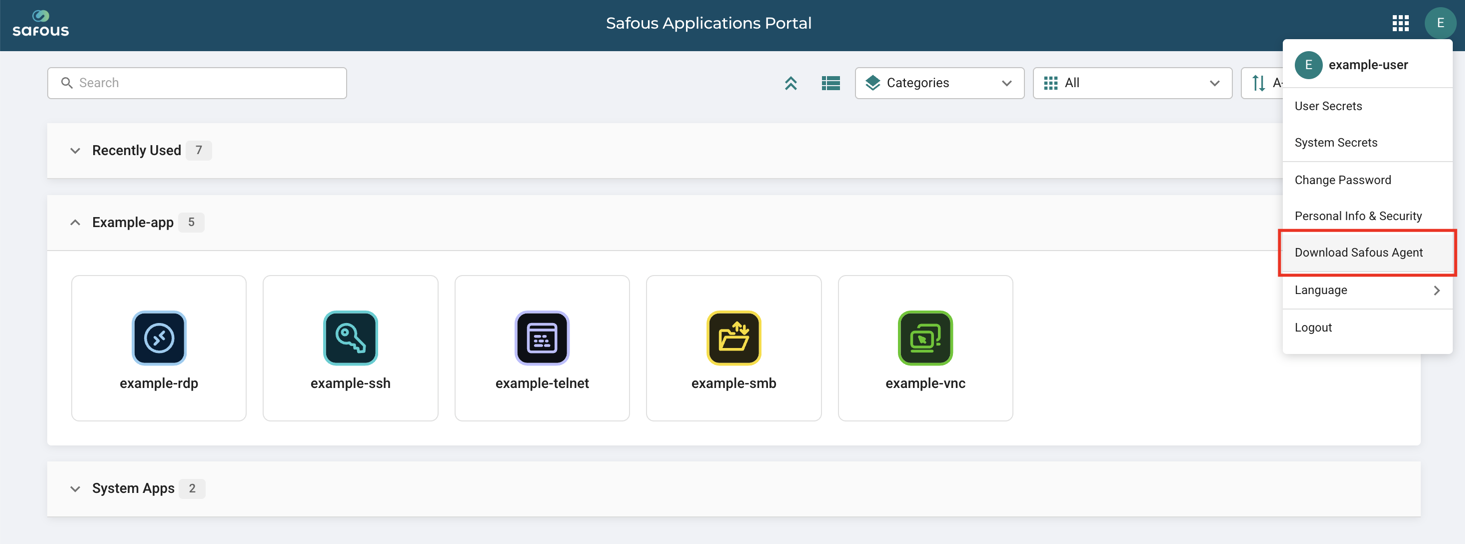
After logging in to the user portal, click the menu in the top-right corner and download the agent by clicking "Download Safous Agent."
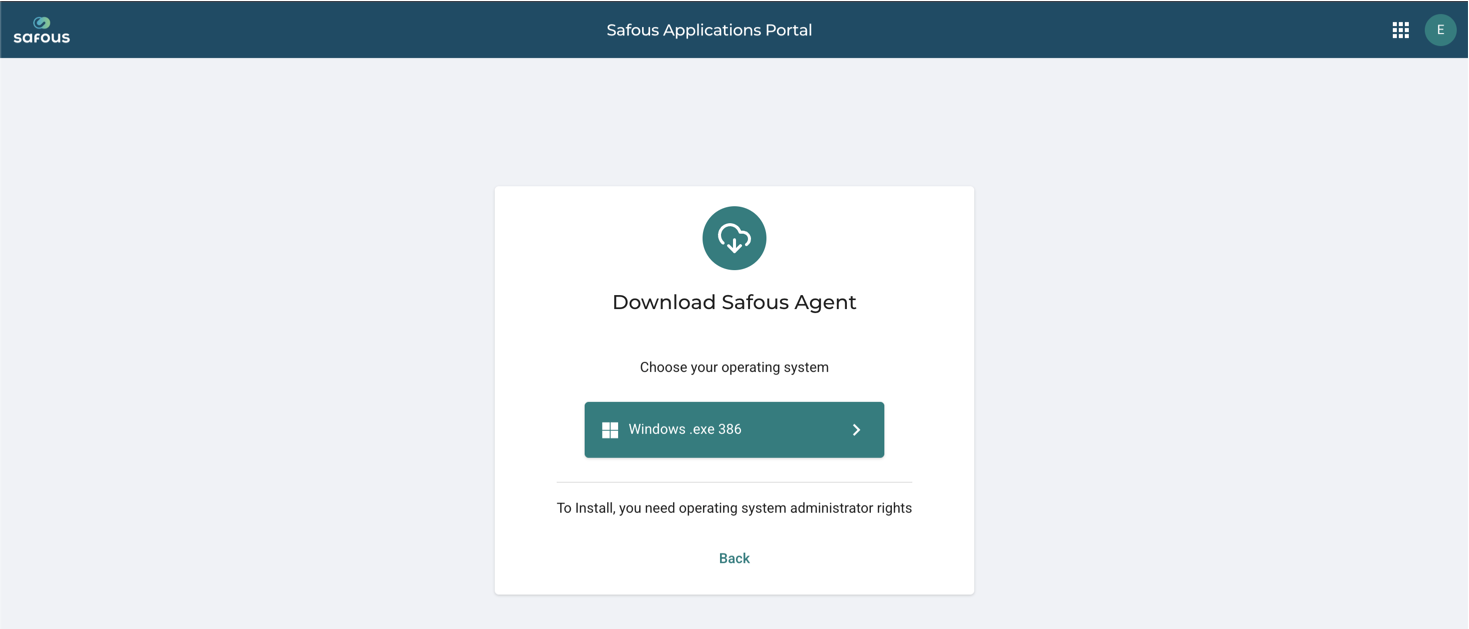
Download the agent file based on your operating system.
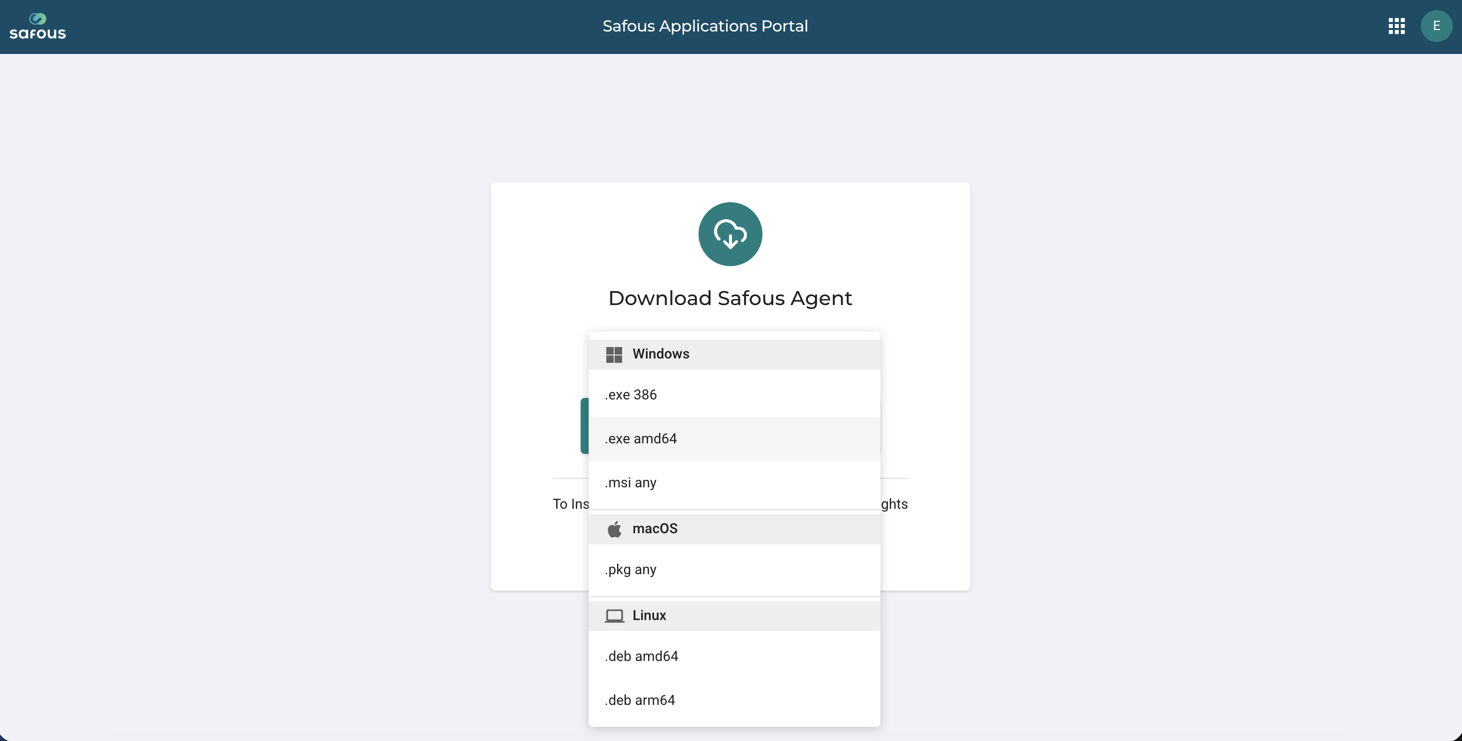
Windows Portable Agent (x86 & amd64)
This is an executable file that does not need to be installed on your local machine. Instead, it acts as a portable application that must be run whenever you want to connect to your network application.
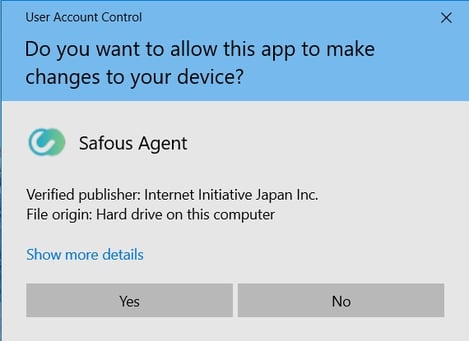
When you run the executable file, Windows will prompt you to confirm the action through User Account Control (UAC).
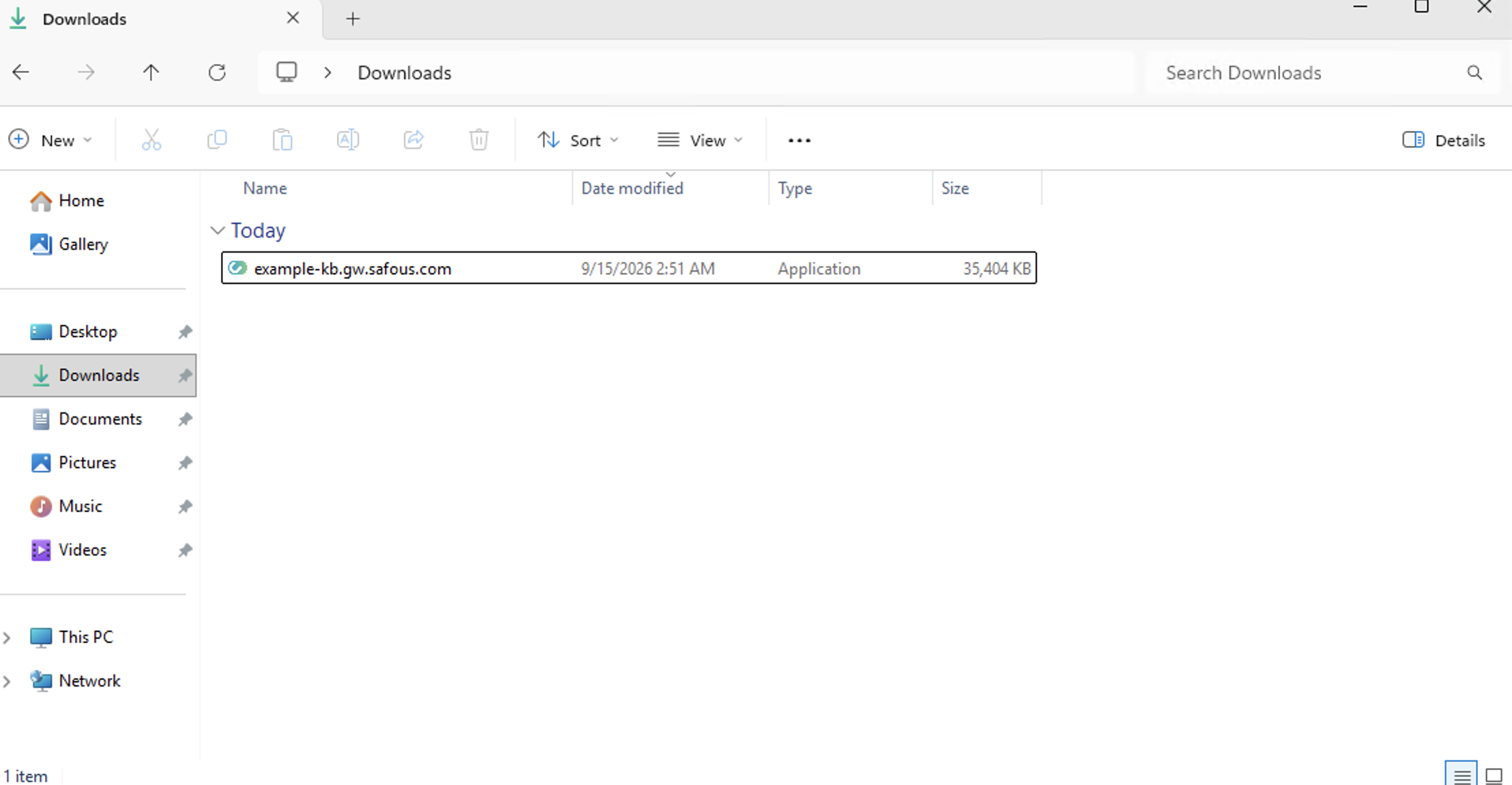
Choose "Yes."
Open the system tray and look for the agent icon.

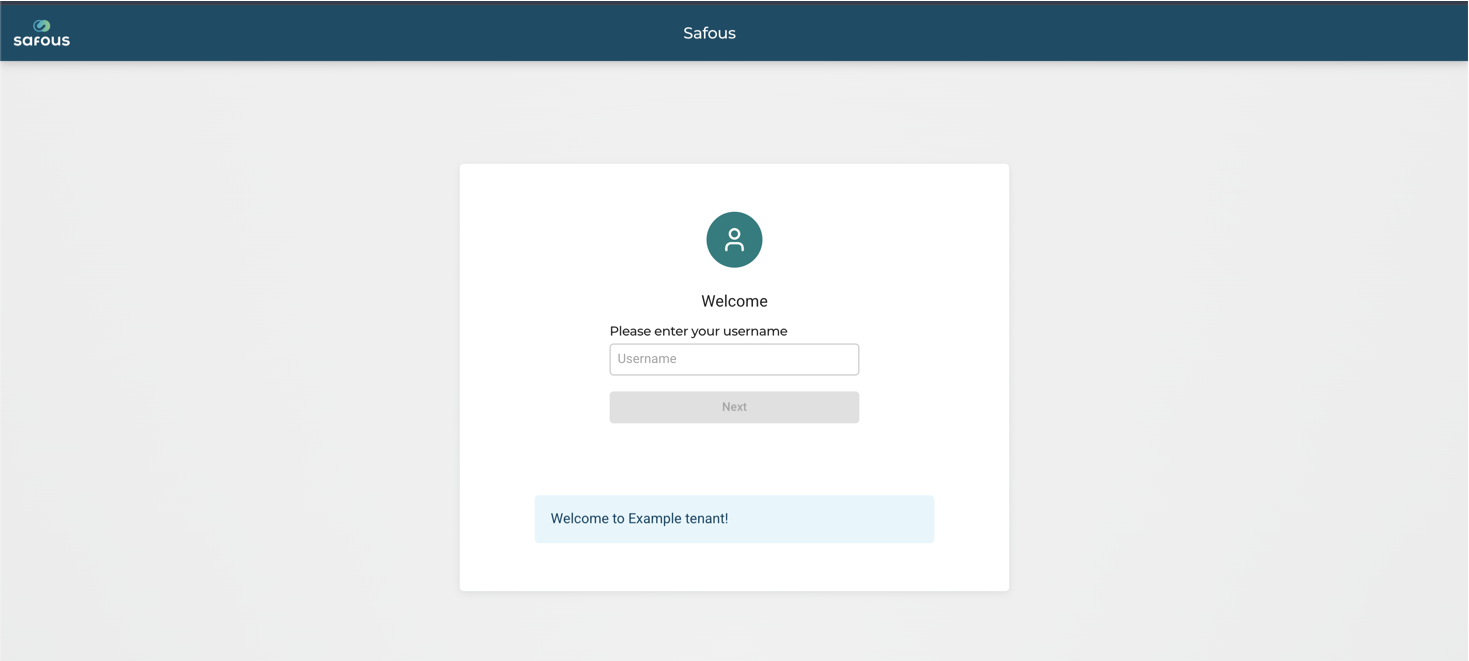
Once the agent is running, click the agent icon and select the sign-in button.

A new browser tab will open and redirect you to your Safous tenant user portal.
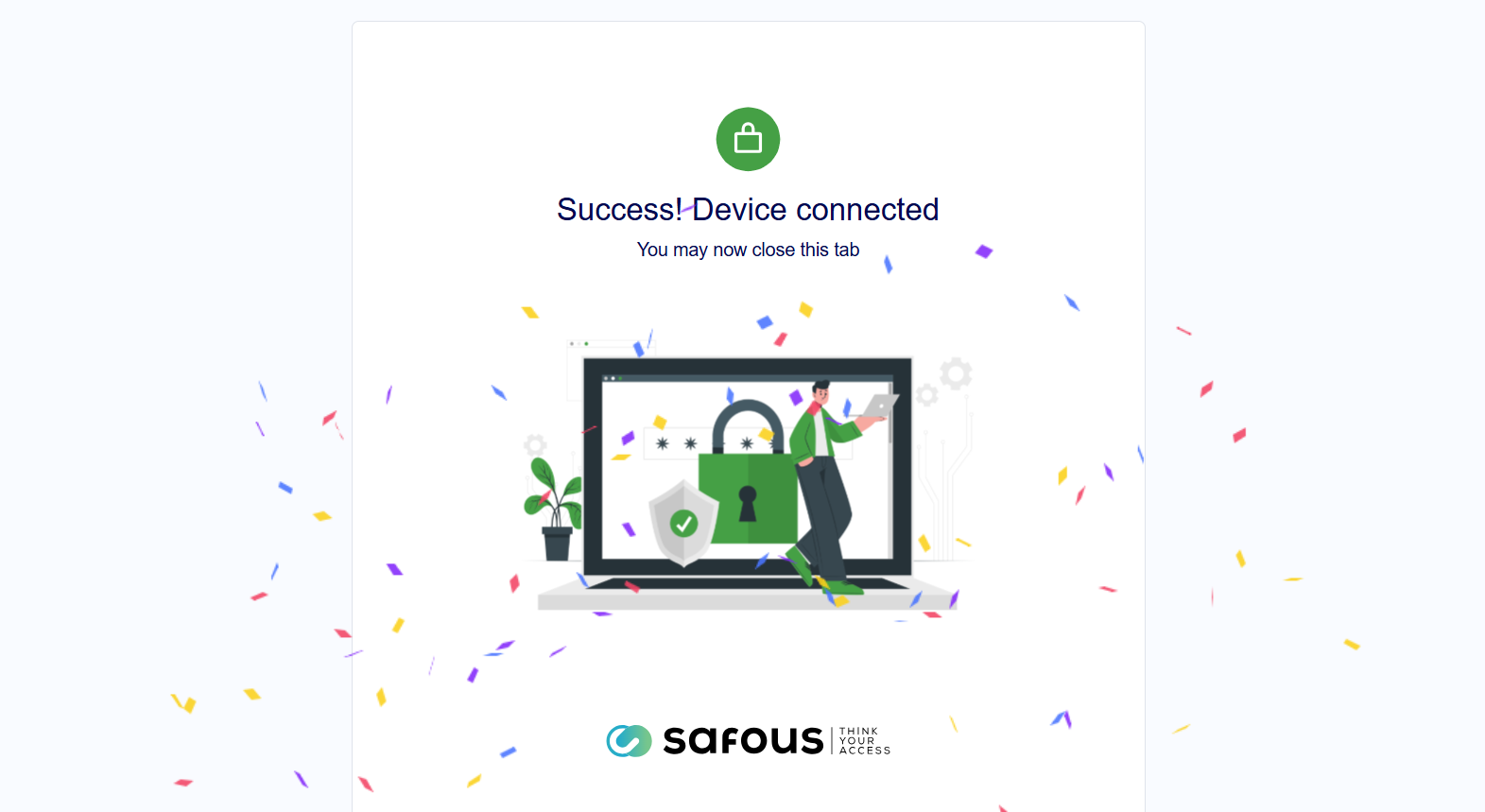
After successfully verifying your account and MFA, the "Device Connected" page will be displayed.
Windows may prompt you to allow the Safous Agent through Windows Defender Firewall. Click "Allow Access".
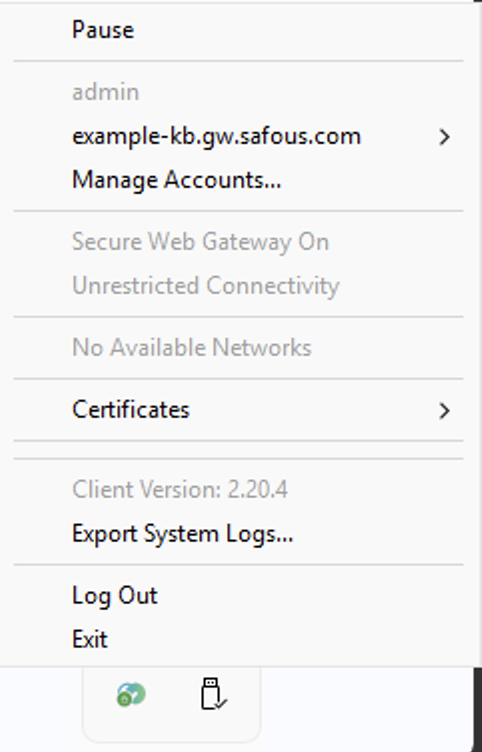
Click the agent icon and check the status to verify that the agent is signed in with the correct username and MFA.
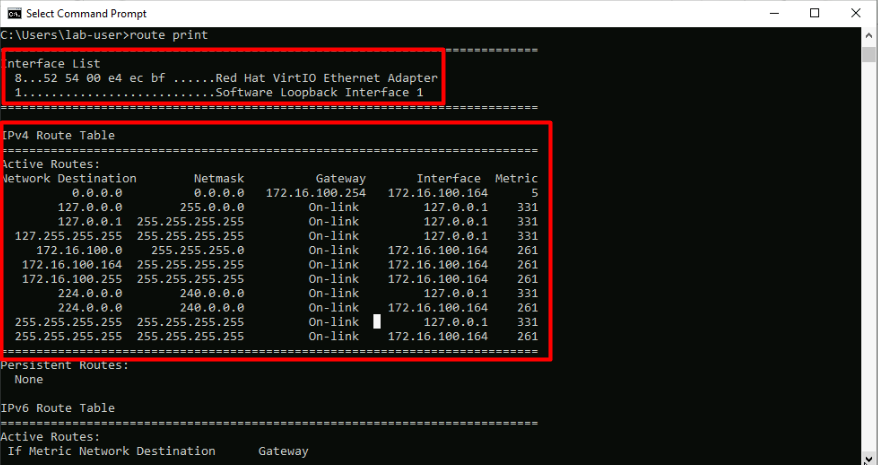
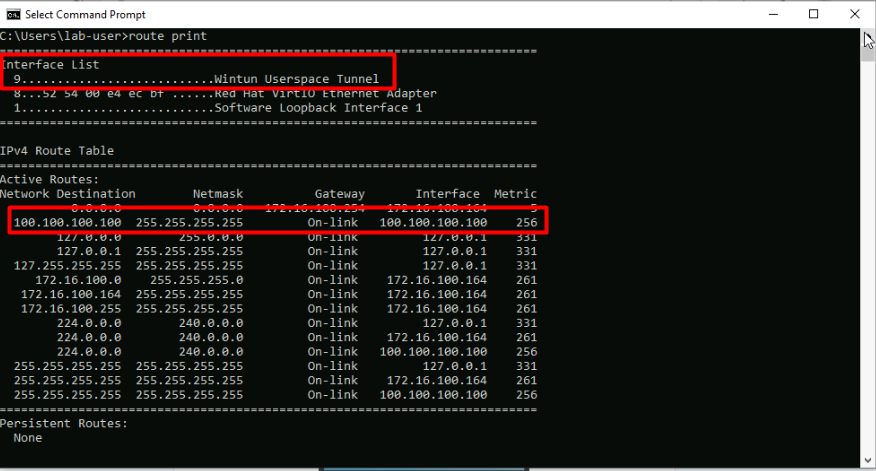
To ensure that the connection has been established, check the routing tables in Windows using the "route print" command in Windows Command Prompt.
The routing table should show the following changes before and after the agent is connected:
-
Before Connected: Only two interfaces are present, and the routing is normal.
-
After Connected: An additional interface is present, and one more destination has been added to the routing table.
Windows Agent Installer (MSI)
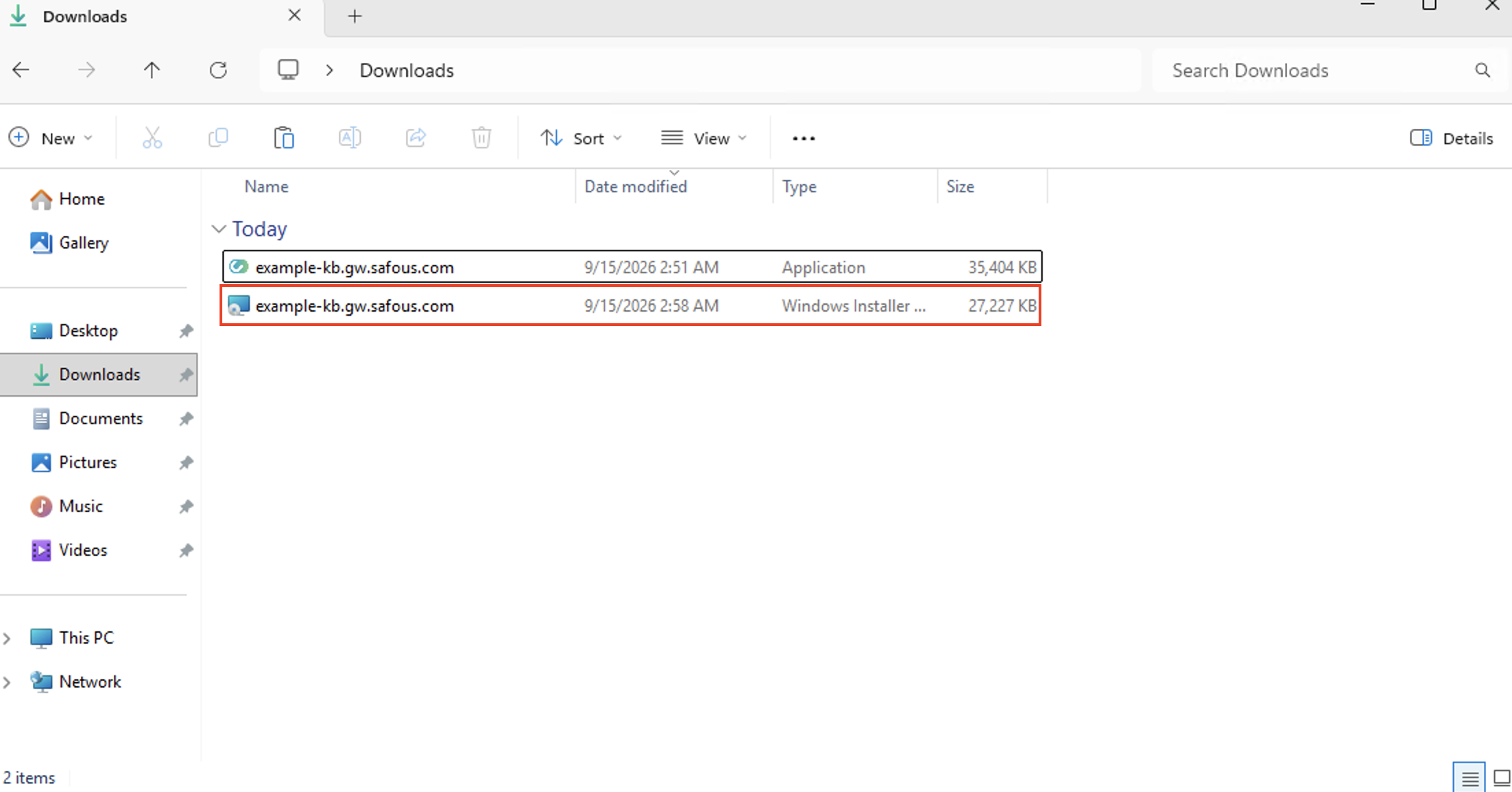
This is a full installation package that will be installed on your local machine. The agent will start and stop with your Windows machine, but you still need to sign in to your account before you can connect to your network application.
When you click the *.msi installer, Windows will display a security warning. Choose "Run" to proceed.
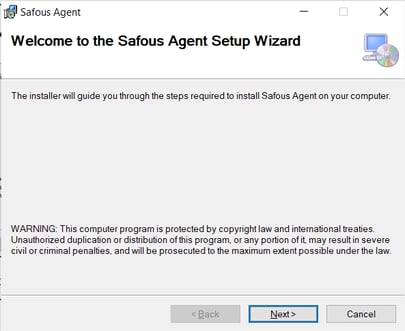
The installer window will appear. Click "Next."
Enter your Safous tenant URL, such as https://example.gw.safous.com, then click "Next."
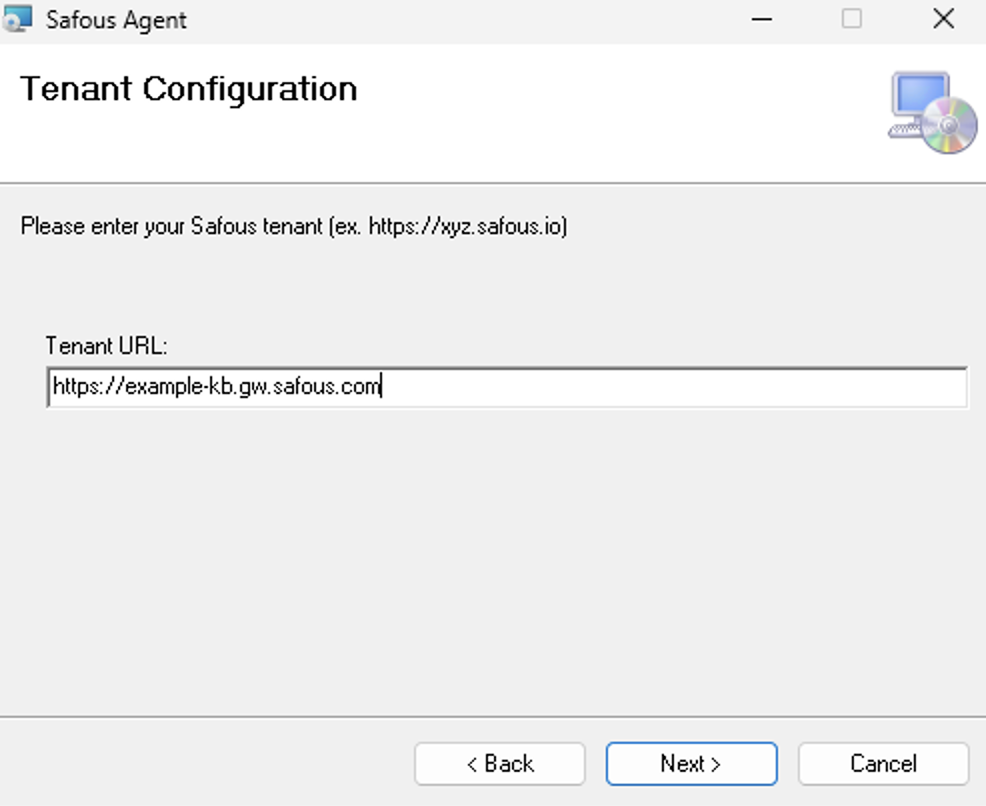
A confirmation page will be displayed. Click "Next" to start the installation process.

Next, the UAC window will appear for confirmation. Click "Yes."
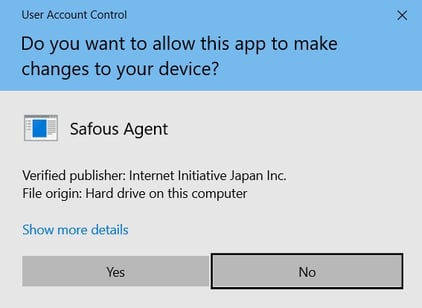
Once the installation process is complete, close the installer. You will find the "Safous" icon on your desktop.

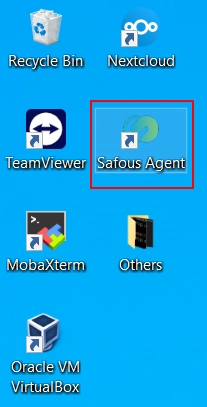
Double-click the "Safous" icon on your desktop. The agent will open and its icon will appear in the system tray.
Right-click the "Safous" system tray icon and choose "Sign-in." This will open your browser and redirect you to the Safous user portal, where you will need to authenticate.
A new browser tab will open and redirect you to your Safous tenant user portal.
After successfully verifying your account and MFA, the "Device Connected" page will be displayed.
Click the agent icon and check the status to verify that the agent is signed in with the correct username and MFA.
To ensure that the connection has been properly established, check the routing tables in Windows using the "route print" command in Windows Command Prompt.
The routing table should show the following changes before and after the agent is connected:
-
Before Connected: Only two interfaces are present, and the routing is normal.
-
After Connected: An additional interface is present, and one or more routes associated with the assigned network application may be added to the routing table